
Freshwater Fishing Basics: A Practical River Guide

Fish the River Right
Join a guided river fishing trip in Mysore with Shrivathsa's Charter.

Published:
Updated:
A river never fishes the same way two days in a row. The water rises, drops, clears or clouds up, and each change moves where the fish sit and how they feed. The good news is that a handful of basics will carry a beginner a long way, and they work on almost any freshwater river. This guide walks through them in the order you would use them on the bank: reading the water, picking tackle, choosing bait or lures, working your cast, and then waiting it out.
Start by Reading the Moving Water
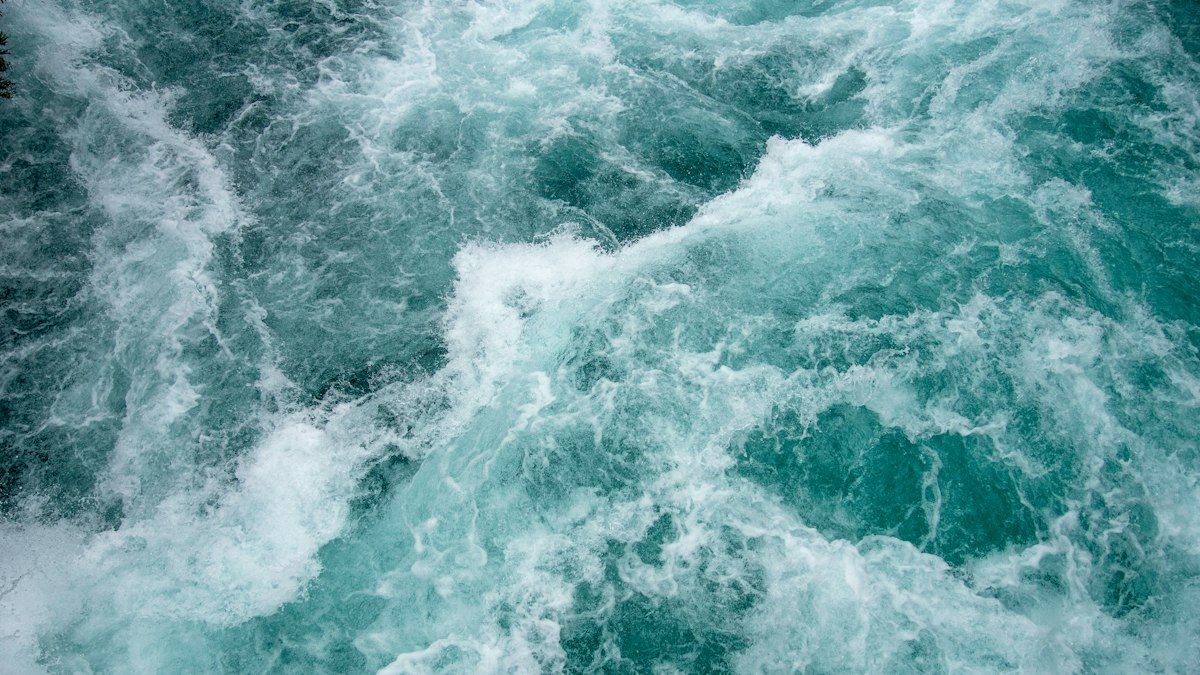
Before you tie anything on, spend five minutes just looking at the river. Moving water is rarely the same speed from bank to bank, and fish know it. They do not want to fight the full force of the current all day, so they tuck into spots where they can rest and still grab food as it drifts past.
Look for these features and fish them first:
- Seams, where fast water meets slow water side by side. Food collects along that line.
- Eddies behind rocks, logs or bends, where the current turns back on itself and slows down.
- Deeper pools below a stretch of shallow, faster water.
- Shaded banks and undercut edges where fish can hide from light and predators.
Flat, featureless stretches of fast water are usually the least productive. Skip them and spend your time where the current breaks up. A good habit is to watch a spot for a minute before casting. Surface swirls, small insects lifting off the water and ripples that look out of place all tell you something is going on underneath.
Water clarity matters as well. In clear water, fish see you and your line easily, so you stay low, stay back from the edge and use lighter line. After rain, when the river runs brown, fish rely more on smell and vibration, and they tend to hold closer to the bank. Adjusting to the day's conditions like this is exactly where a local guide earns their keep.
Keep Your Tackle Simple
Beginners often show up with a tackle box full of gear they do not need. For river fishing, a short list does the job. You need a rod of medium power that feels comfortable in your hand, a reel loaded with fresh line, a few hooks in a couple of sizes, some split-shot weights, and a small selection of floats or lures.
Line choice is where people overthink it. A mid-weight line is a safe starting point because it casts well and holds up when a fish pulls hard against the current. Go lighter on clear, slow days when fish are cautious. Go a little heavier if the river has snags, rocks or fallen branches that will chew through thin line.
Hook size should follow bait size, not the other way around. A hook that is too big looks unnatural and puts fish off, while one that is too small can fail to set. Carry a few sizes and match them to what you put on. Check your knots before every session and again after any snag. Most lost fish on the river come down to a weak knot or a nicked line, not bad luck.
Weight is the other piece of the puzzle. You want just enough to get your bait down to the fish and let it move naturally with the current, without it dragging along the bottom and snagging. If your bait sits still and looks stuck, add less weight. If it skips along the surface, add a little more.
Bait or Lures: How to Choose
Both work, and neither is better in every situation. The choice comes down to the water, the conditions and how much patience you have for the day.
Natural bait works well when fish are slow, the water is cold or murky, or you want to fish a small pocket carefully. It brings smell and a natural look, which helps when fish are not chasing anything. It also suits beginners, since you can let the bait drift and wait for a bite without much technique.
Lures suit anglers who want to cover water. You cast, retrieve, and move on if nothing shows up, which lets you test many spots in a short time. They do well when fish are active and willing to chase. The downside is that they ask more of you. Your retrieve speed, pauses and where you cast all change the result.
A sensible plan for a first-timer is to start with bait while learning how the current carries your line, then add a lure or two once you feel comfortable. If one approach gets no bites after a fair try in a good-looking spot, switch rather than repeating the same cast for an hour.
Cast, Drift and Set the Hook
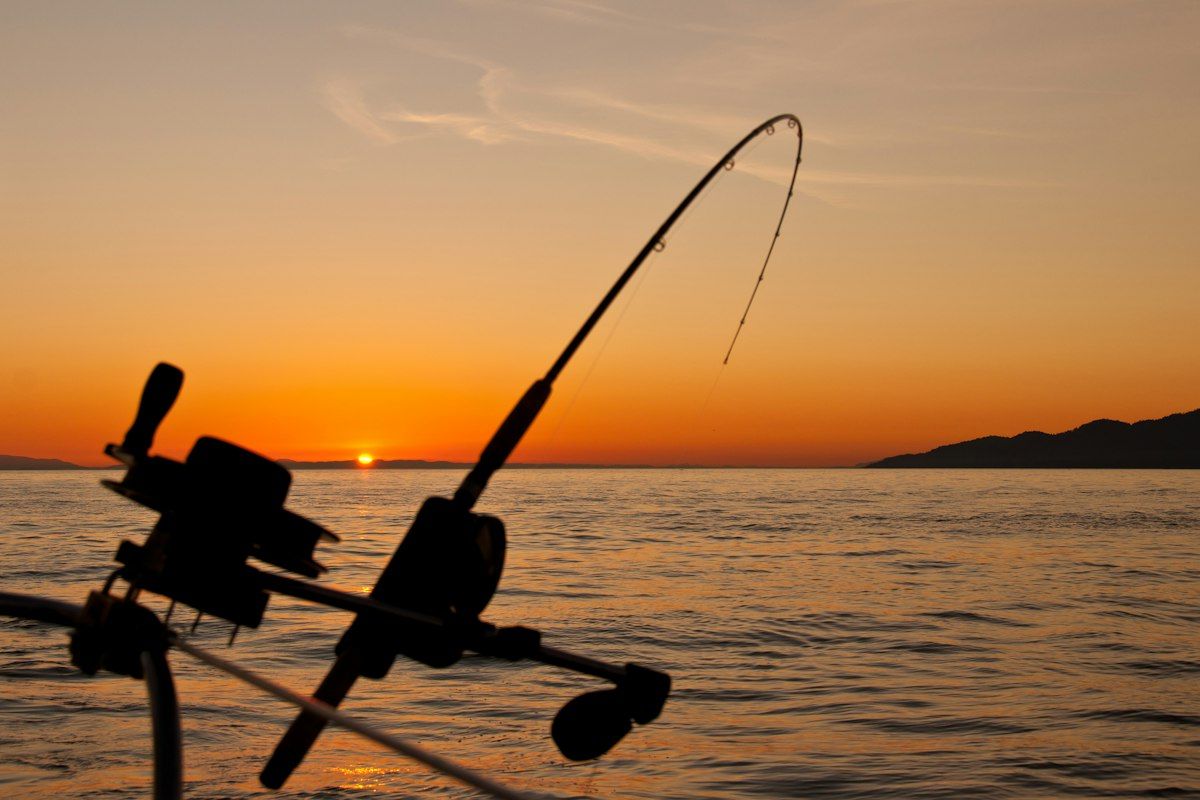
In a river, your presentation should look like something the current is delivering on its own. Cast slightly upstream of the spot you want to fish and let the bait or lure drift down through it. Keep your line fairly tight so you can feel what is happening, but not so tight that it drags the bait unnaturally.
Watch your line or float closely as it travels. A float that pauses, dips or moves against the current is telling you something. So is a line that twitches or suddenly goes slack. When you feel or see that, lift the rod tip firmly rather than yanking hard. A smooth, quick lift sets the hook without tearing it free.
Once the fish is on, keep the rod tip up and let the rod do the work. Reel steadily and give line when the fish makes a strong run, especially if it heads for fast water or cover. Fighting a fish in a river means fighting the current too, so keep steady pressure and guide it toward slower water near the bank where you can land it.
If you miss a bite, do not reel in and walk away. Check your bait, re-cast to the same spot and give it another few drifts. Fish that missed once often come back.
Staying Patient Pays Off
The hardest basic to teach is patience. Fishing is a lot of waiting, and the anglers who do well are usually the ones who keep making thoughtful casts while others get restless and rush. Pick a spot, give it a fair number of drifts, then move on to the next feature and repeat.
Small adjustments beat big changes. If nothing is biting, try a different depth, a slower drift, a different bait or a cast to the other side of a seam before packing up. Keep quiet on the bank, avoid heavy footsteps near the edge, and keep your shadow off the water. Fish spook easily, and calm movement gives you more chances.
This is also where a guide who knows the local water helps. Someone who fishes the same river regularly can tell you which stretch to try first, how the day's flow changes the plan, and when it is time to switch tackle. At Shrivathsa's Charter, river trips around Mysore are run with that kind of local knowledge, including a group fishing trip option for those heading out together.
Start with these basics, practice them on every outing, and keep notes on what worked. Within a few sessions, reading a river stops feeling like guesswork and starts to feel natural. If you would rather learn on the water with someone showing you the ropes, a guided river trip is a straightforward place to begin.

